
Lose 49-60% of excess body weight with Endoscopic Sleeve Surgery Kenya
Endoscopic Sleeve Gastroplasty (ESG) surgery in Kenya is a minimally invasive weight-loss procedure that uses internal stomach stitches to make the stomach smaller, helping an average person lose about 49-60% of their excess body weight.
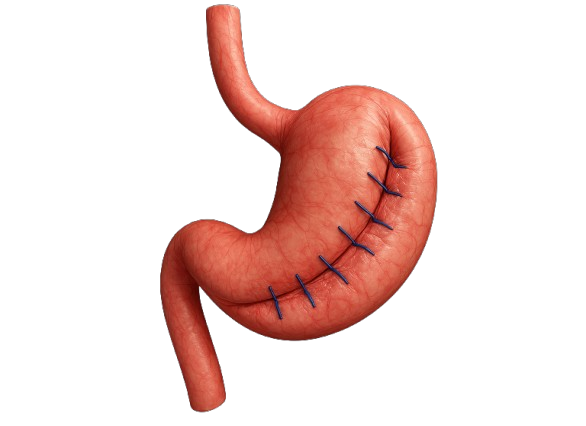
- No external incisions; fully endoscopic.
- Procedure time: 1–1.5 hours under anesthesia.
- 1-day hospital stay.
- Endoscope inserted through the throat for stitching.
- 5–8 sutures reduce stomach size by 70%.

Who is considered as an eligible candidate for ESG Surgery?
Endoscopic Sleeve Gastroplasty is recommended for individuals who meet certain criteria. These may include:
- Body Mass Index (BMI) of 30 or higher, indicating obesity (class I or higher).
- BMI of 27 or higher may qualify if accompanied by obesity-related health conditions (e.g., diabetes, high blood pressure, sleep apnea, heart disease, cholesterol, etc.).
- Patients who cannot undergo bariatric surgeries having a BMI below 35.
- Patients with a BMI of over 60 with anesthesia risk, needing to lose weight before a planned bariatric surgery.
- Previous unsuccessful attempts at weight loss through diet, exercise, and other non-surgical methods.
Past medical and surgical history may also affect eligibility, so it is important to come in for a consult beforehand.
Benefits
- Less invasive compared to traditional bariatric surgery
- Shorter recovery time and hospital stay
- Effective weight loss with improvement in obesity-related health conditions
Disadvantages
- Potential for complications such as bleeding, infection, or injury during the procedure
- Risk of gastroesophageal reflux disease (GERD) worsening or developing
Complications
- Bleeding (< 1%)
- Infection (< 1%)
- Perforation or injury to nearby organs (< 1%)
- Development of strictures or narrowing of the stomach (< 1%)
Side Effects
- Nausea and vomiting (20-30%)
- Abdominal pain and discomfort (10-20%)
- Gastroesophageal reflux (10-15%)
- Diarrhea (5-10%)
How does it Work?
The Endoscopic Stomach-Sewing Process
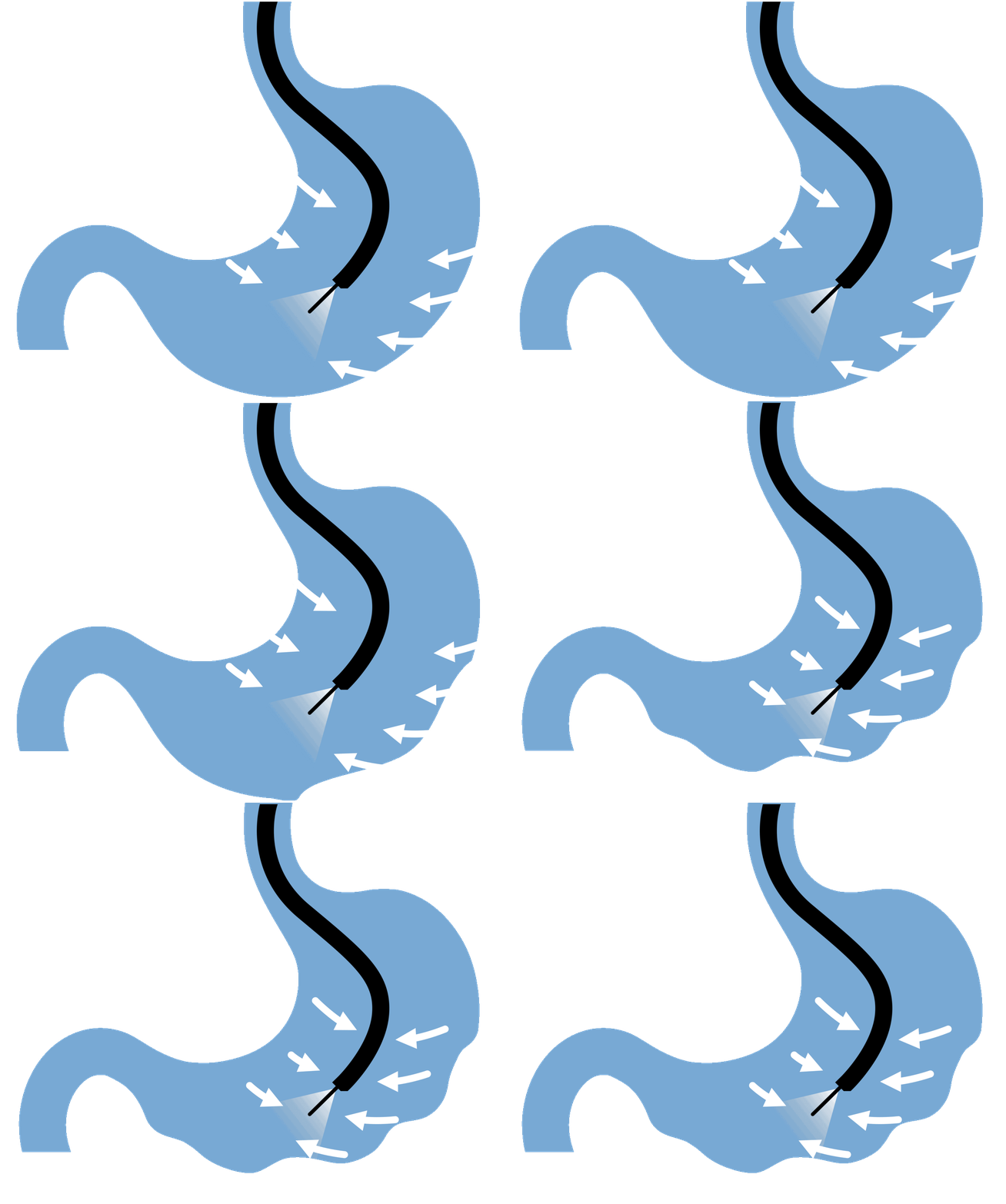
The endoscopic stomach-sewing procedure, performed without the need for any external incisions, represents a significant advancement in minimally invasive bariatric interventions.
Conducted under anesthesia, the procedure typically lasts between 1 to 1.5 hours, with patients requiring only a short hospital stay of about 1 day.
Through the insertion of an endoscope, equipped with a camera and a suturing device, into the stomach via the throat, the surgeon marks the orientation of the stomach to guide the procedure. Subsequently, 5 to 8 sutures are tightly placed to reduce the horizontal diameter and vertically shorten the length of the stomach from within, resulting in a remarkable 70% reduction in its volume.
How to get started
Pre-Procedure Steps
Eligibility Criteria
- Body Mass Index (BMI) of 30 or higher, indicating obesity (class I or higher).
- BMI of 27 or higher may qualify if accompanied by obesity-related health conditions (diabetes, high blood pressure, sleep apnea, heart disease, cholesterol, etc.).
- Patients who cannot undergo bariatric surgeries having a BMI below 35.
- Patients with a BMI of over 60 with anesthesia risk, needing to lose weight before a planned bariatric surgery.
- Previous unsuccessful attempts at weight loss through diet, exercise, and other nonsurgical methods.
Benefits
Less Risk: The operation is simple, as it only reduces the stomach size and this means less complication/risk during and after the procedure compared to other more intrusive surgeries whilst the benefits are similar. Shortened hospitalization period, and the gastric dumping syndrome risk is avoided.
Less Intrusive: Simpler than bariatric surgeries requiring change in food passage route; the risk of malnutrition is low as compared to the gastric bypass.
Medical: Obesity related illnesses such as high blood pressure, stroke, type 2 diabetes, cholesterol, sleep apnea, and heart risk are reduced.
Physiological Benefits: Less hunger, increase in energy, elimination of back/joint pain with increased mobility, improved breathing, and decreased depression.
Psychological Benefits: Dramatic improvements in overall health and quality of life with improved self-image, self-confidence, and satisfaction in social activities.
How Is It Done & How Does It Work
Surgical Process
- Patient is placed under anesthesia to ensure comfort and minimize discomfort during the procedure.
- An endoscope, equipped with a camera and a suturing device, is inserted through the throat and guided into the stomach.
- The surgeon carefully marks the orientation of the stomach to ensure precise placement of sutures.
- 5 to 8 sutures are tightly placed within the stomach, targeting both the horizontal diameter and the length, reducing its volume by up to 70%.
- The endoscope is carefully removed once suturing is complete.
Mechanism of Weight Loss
Portion Control: Following the procedure, patients experience a reduction in stomach capacity, leading to improved portion control and reduced food intake.
Digestion: The altered stomach shape accelerates digestion and limits the absorption of fatty foods, contributing to weight loss.
Satiety: Patients experience increased feelings of fullness with smaller food portions, aiding in satiety and supporting their weight loss journey.
Post-Procedure Care & Recovery
Diet & Follow-up Care
Dietary Progression: Slowly reintroduce foods with the help of a nutritionist. Start with clear liquids within 24 hours of surgery, then move to full liquids, soft foods, and eventually regular solid foods over the next few weeks.
Precautions: Cut back on sugary foods, chew slowly and thoroughly, and do not drink liquids 30 minutes before or after eating to avoid complications like constipation or acid reflux.
Hospital Stay & Monitoring
Hospital Stay: Typically stay in the hospital for 1 day after surgery to ensure proper healing. Return to work is usually possible in less than a week, but avoid heavy physical tasks initially.
Weight Loss Timeline: Weight loss typically continues for about a year before leveling off at your body's ideal BMI. Temporary symptoms like dry skin, tiredness, or body aches are normal and resolve as weight stabilizes.
Precautions – Tell your doctor right away if you experience:
- Fever
- Wound or throat becomes painful, hot, or leaks fluid
- Coughing or trouble breathing
- Persistent vomiting or diarrhea
- Pain in the abdomen, chest, shoulder, or legs
SLEEVE GASTROPLASTY (ENDOSCOPIC) VS GASTRIC SLEEVE (LAPAROSCOPIC)
The Endoscopic Sleeve Gastroplasty (ESG), a minimally invasive procedure, typically leads to around 15% total body weight loss, which is less compared to the more invasive laparoscopic sleeve gastrectomy (which can result in up to a 30-35% weight reduction). One primary advantage of the endoscopic method is its reversibility – the sutures used to reduce stomach size can loosen over time, allowing the stomach to return to its original shape and size based on eating habits. This approach is considered safer and less invasive than traditional bariatric surgery, as it doesn't alter the natural digestion process or require permanent surgical removal of stomach tissue.
Why Choose Us
Dedicated Specialist Team
Multidisciplinary care from surgeons, nutritionists, and psychologists.
Private Specialized Wing
Exclusive, private recovery suites for bariatric patients.
Lifelong Support
Continuous monitoring to ensure sustainable results and health.
Safe & Proven Methods
Utilizing the latest bariatric surgical and non-surgical technologies.
Book Your Free Consultation
Pick a date and time that works for you. Our specialist will confirm and guide you on the right path to a healthier life.
Still have questions? We're here.
-
Call / WhatsApp +254 789 822 222
-
Email Us info@nairobiweightloss.com
-
WhatsApp Chat with us now
-
Working Hours Mon–Fri: 8:00 AM – 5:00 PM
Sat: 8:00 AM – 2:00 PM
Why book with us?